Hello!
Welcome to my website.
I am an Assistant Professor of Computer and Information Systems at Thomas More University with over five years of research experience in Health Informatics. My work spans healthcare information systems, data quality, healthcare analytics, and the software development life cycle. I have extensive experience analyzing large-scale healthcare datasets, including Medicaid Management Information System (MMIS) data, All-Payers Claims Data (APCD), and CMS home health quality datasets.
My research addresses critical challenges in healthcare information technology, with an emphasis on improving data quality and supporting evidence-based technology adoption by healthcare providers and caregivers. I have also contributed to software tools used by health administration stakeholders, including federal and state-level agencies.
Academic Background
I earned my Ph.D. in Information Systems from the University of Maryland, Baltimore County (UMBC). My academic training in Management Information Systems and my applied research experience in health IT inform my ongoing work at the intersection of data systems, quality, and healthcare outcomes.
BBA
2012–2015
2012–2015

University of Dhaka
Dhaka, Bangladesh
MBA (MIS)
2016–2017
2016–2017
University of Dhaka
Dhaka, Bangladesh
MS (IS)
2018–2021
2018–2021

UMBC
Baltimore, MD
PhD (IS)
2018–2024
2018–2024
UMBC
Baltimore, MD
Assistant Prof.
2024–Now
2024–Now

Thomas More University
KY, USA
Research Updates
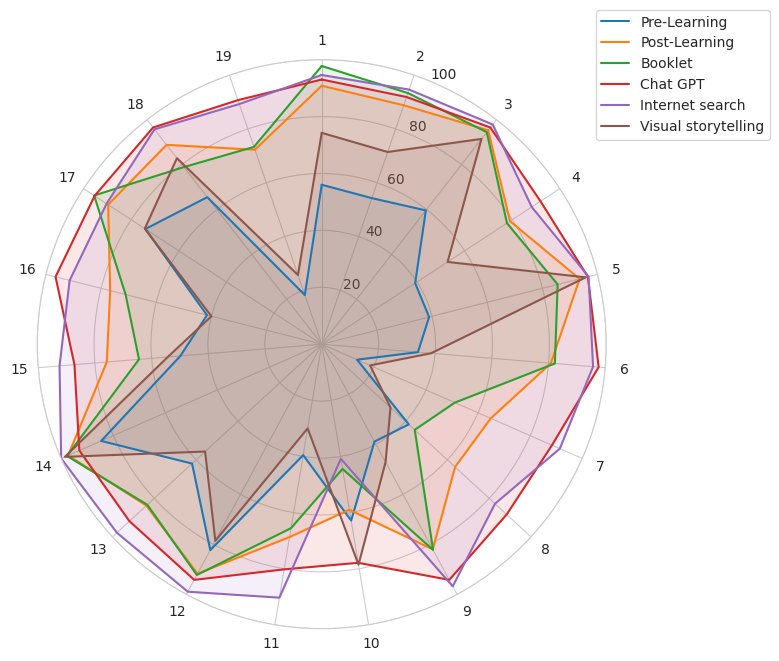
This study compares generative AI–based learning with conventional methods to improve HPV awareness and vaccination intent among adults in the Dhaka Division of Bangladesh. The results show that digital approaches, particularly AI chat and internet search, produce substantially higher gains in HPV knowledge and vaccination intent than traditional materials.
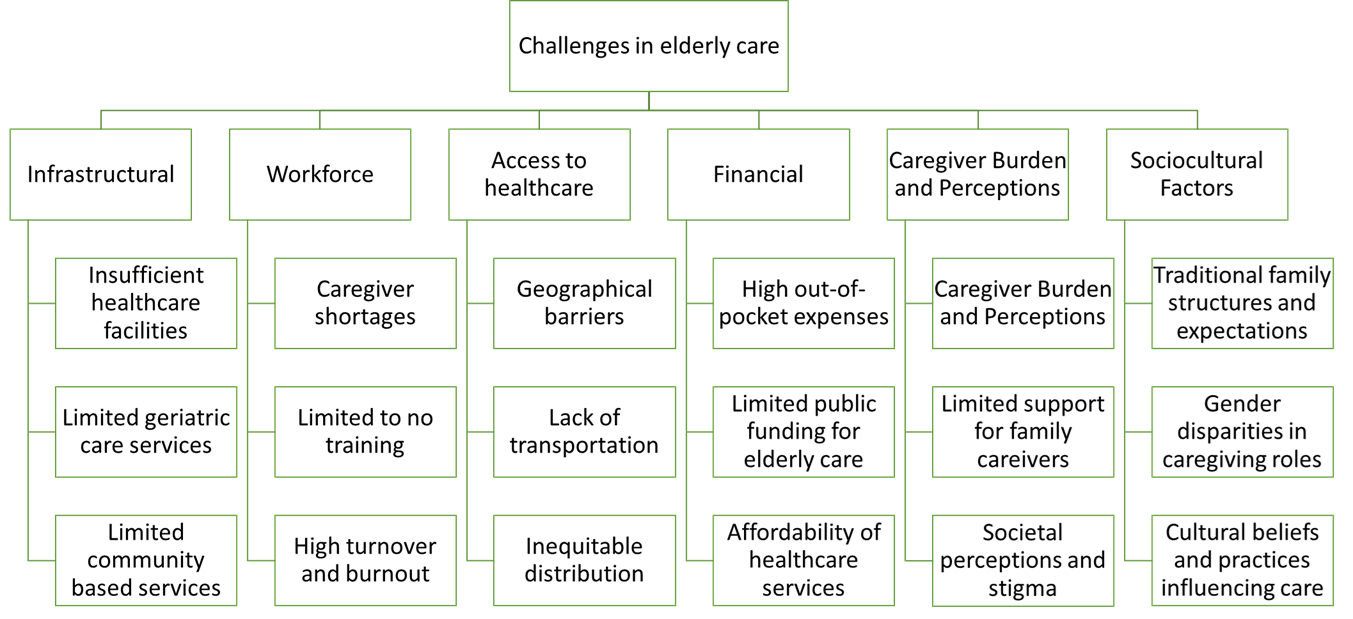
The study calls for comprehensive strategies to improve healthcare infrastructure, enhance financial support, strengthen government policies, and promote caregiver training and technology adoption.
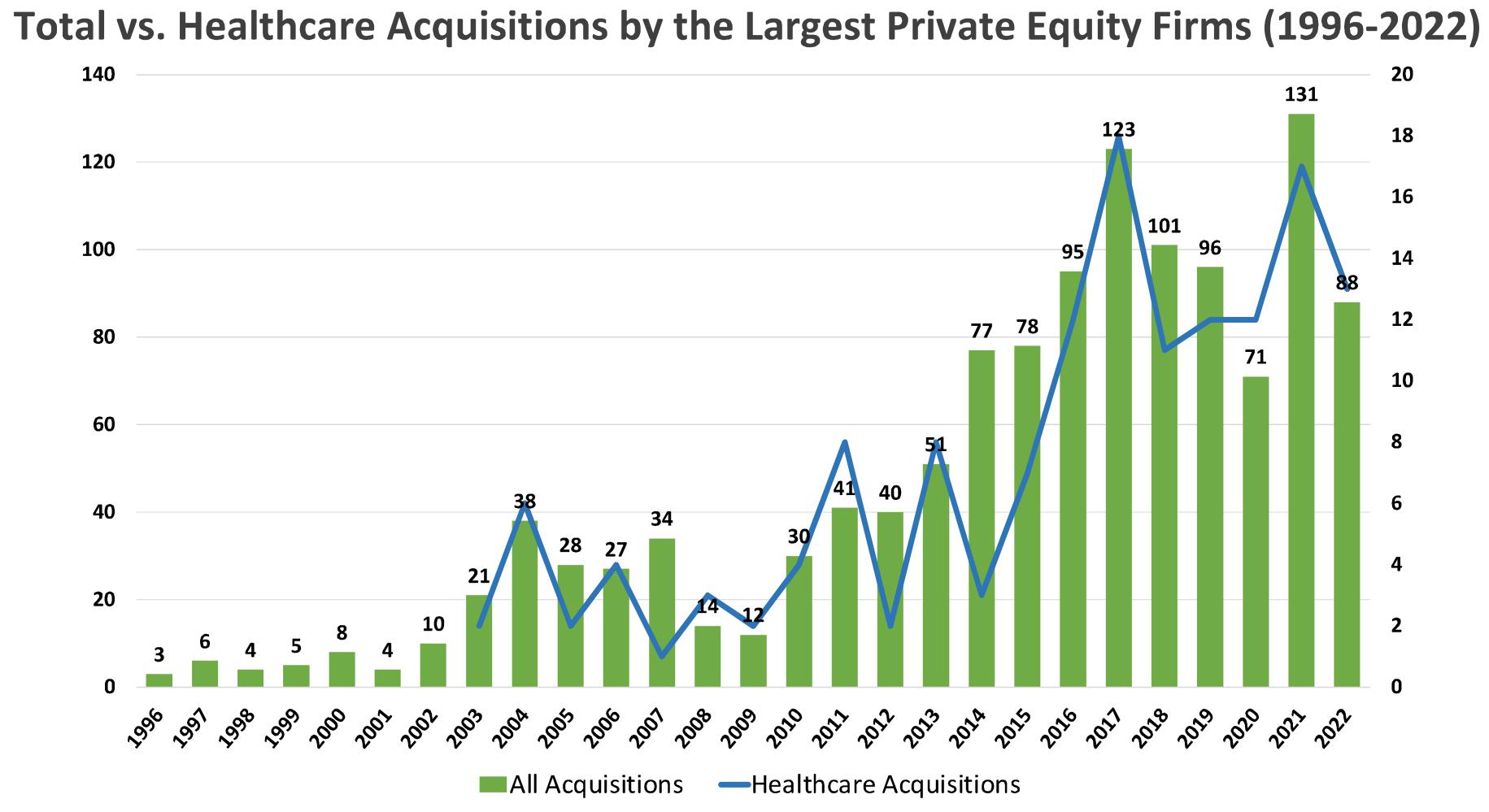
PE-owned HHAs generally outperformed non-PE-owned agencies in metrics such as timely care initiation and patient improvement in mobility and self-care, but underperformed on several long-term outcomes.
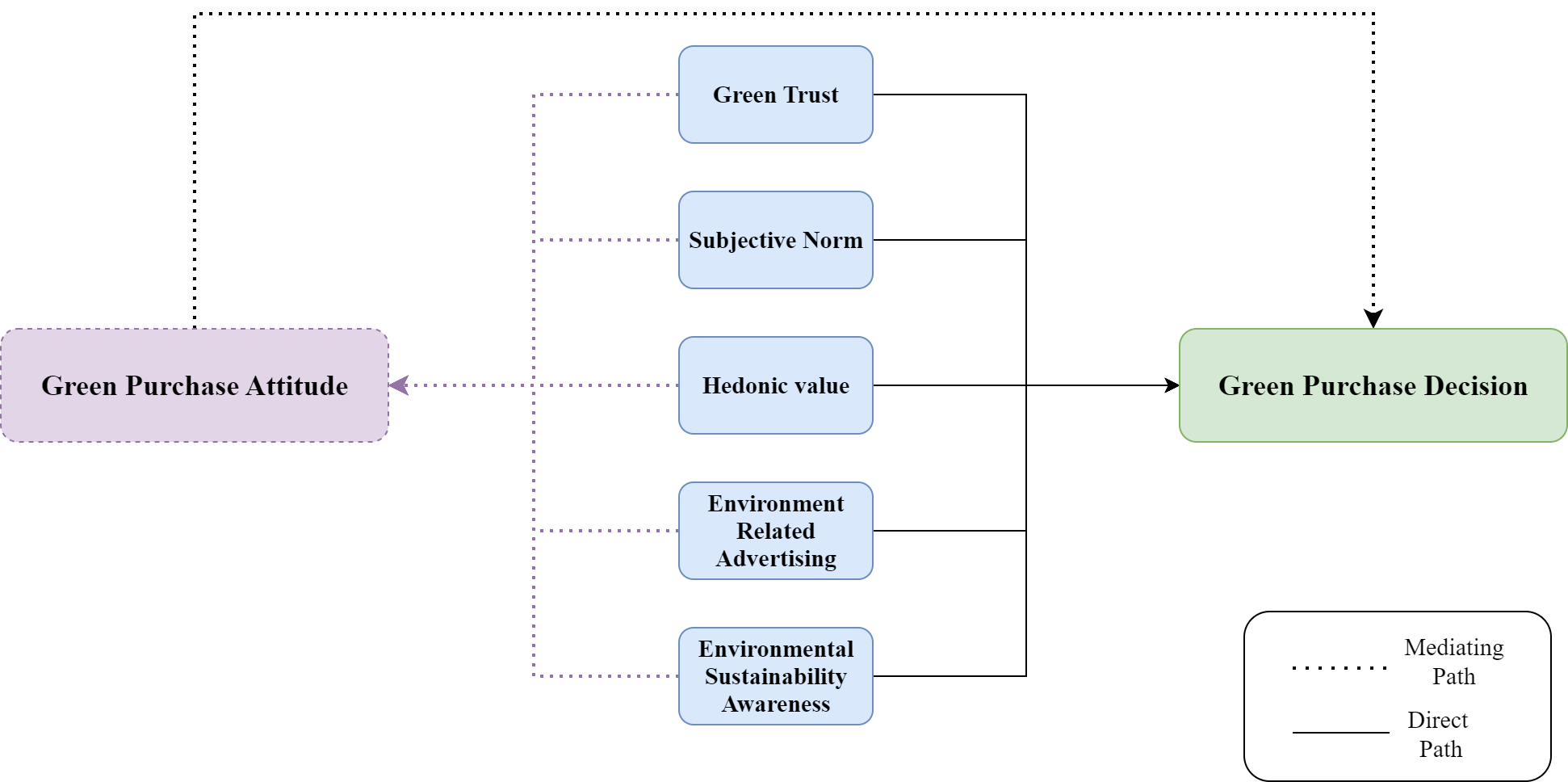
Subjective norms, hedonic value, environmental advertising, and green purchase attitude significantly influence green purchase decisions, while green trust and environmental sustainability awareness do not exhibit a significant direct impact.
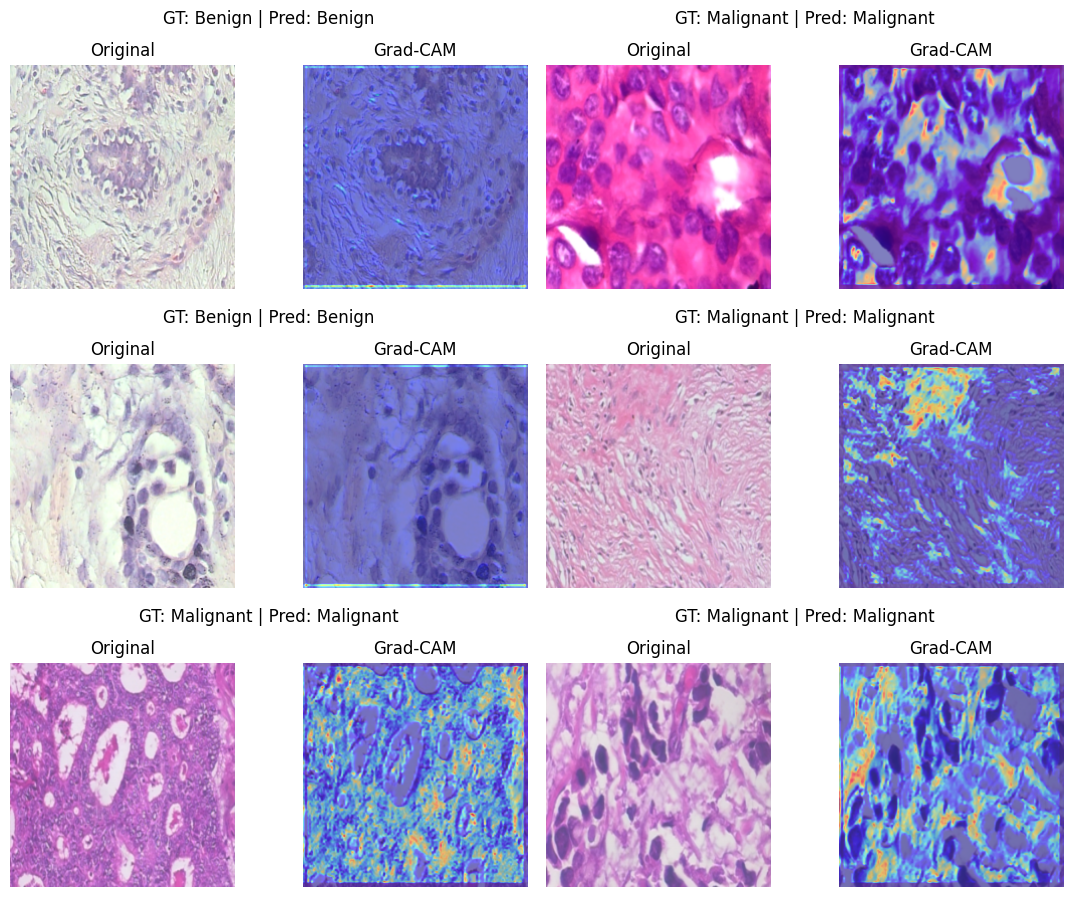
This study proposes a hybrid ViT+CNN fusion model for breast cancer histopathology classification and integrates Grad-CAM with attention rollout to provide transparent visual explanations of model decisions.
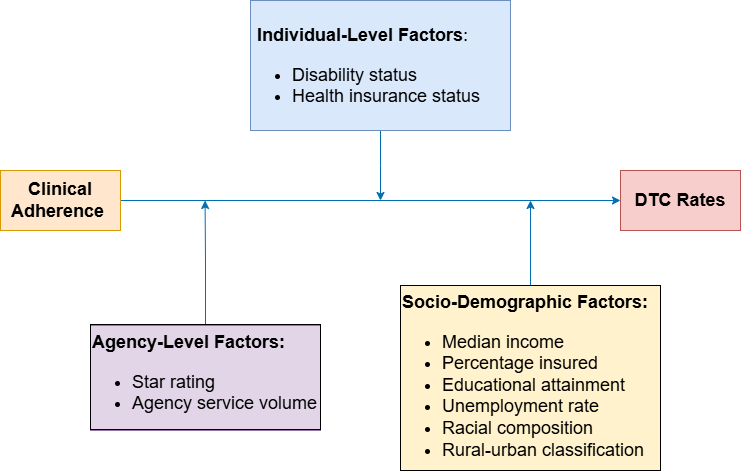
Socioeconomic factors of the population served and key agency characteristics significantly affect discharge-to-community rates, stressing the connection between demographic determinants and healthcare outcomes.
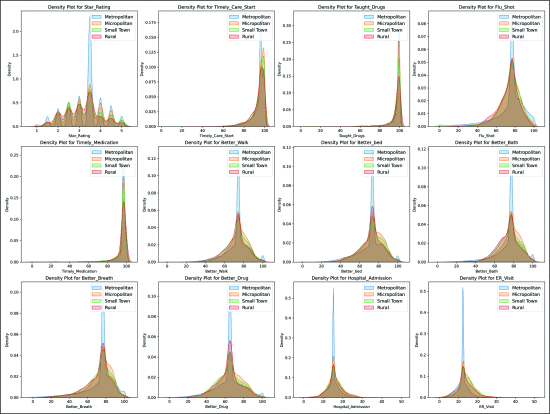
Metropolitan areas exhibited the highest performance consistency, followed by micropolitan and rural areas, while small-town areas displayed the least consistent performance.
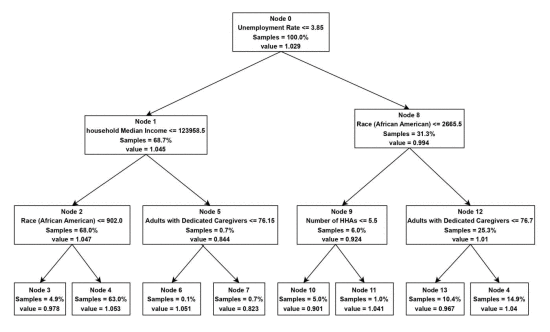
Findings underscore the importance of a comprehensive approach to healthcare resource allocation, considering demographic characteristics to optimize health outcomes for Aged/Dual beneficiaries.